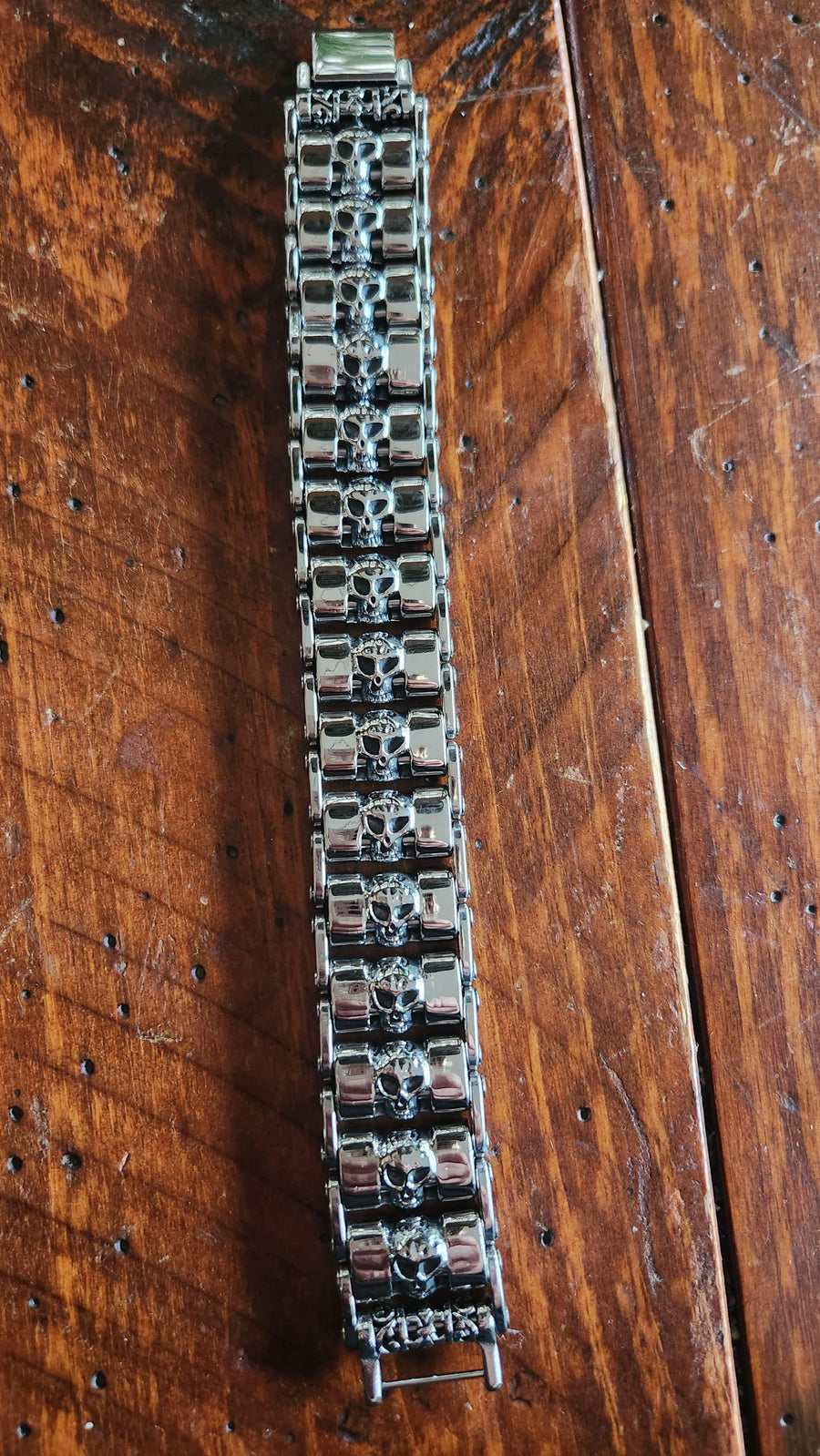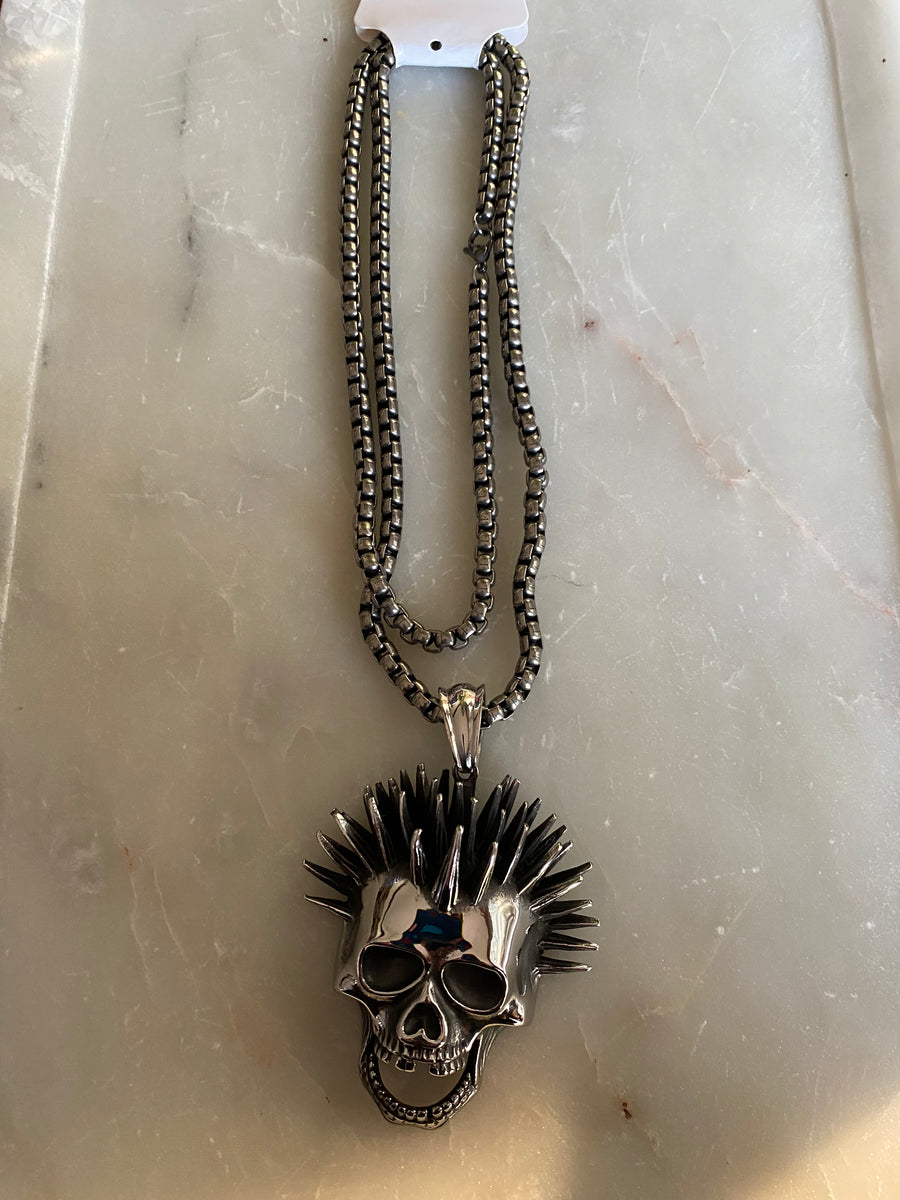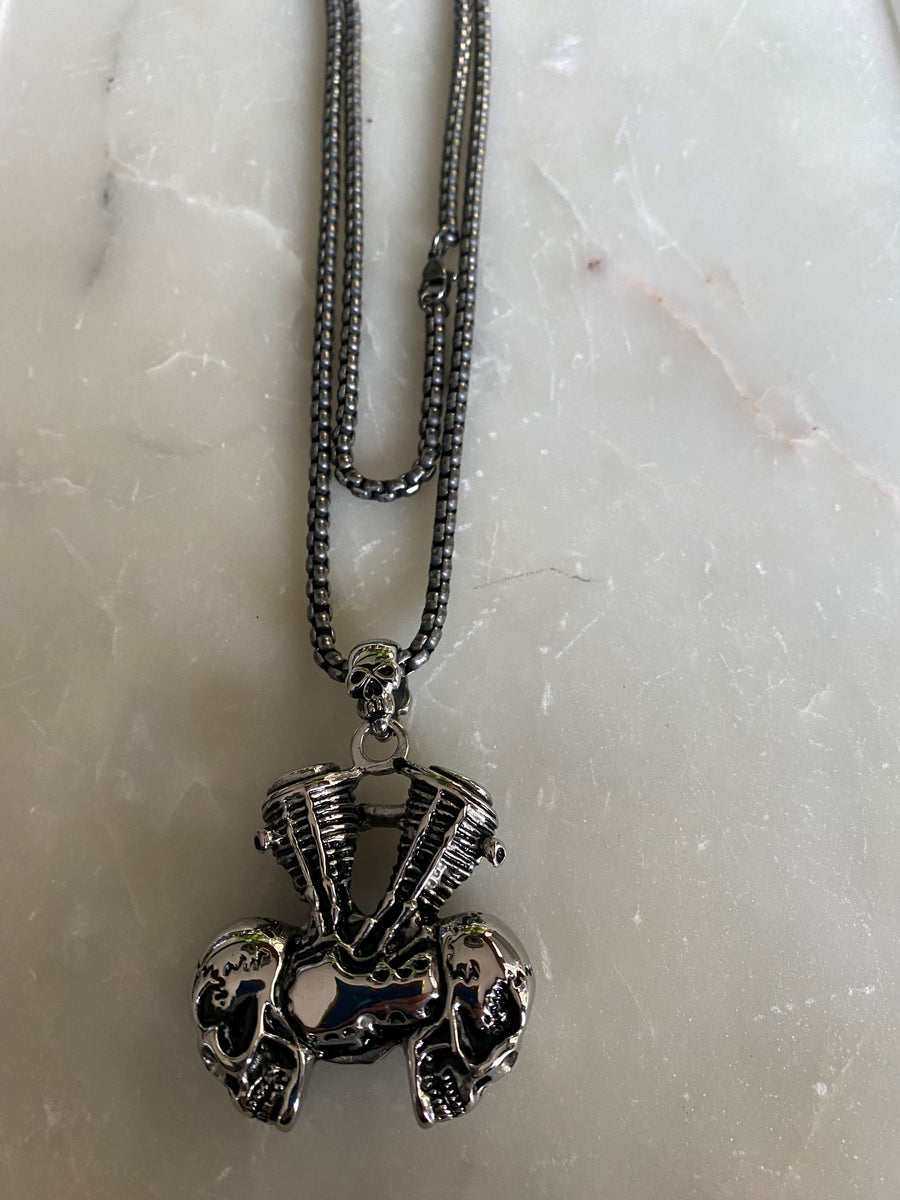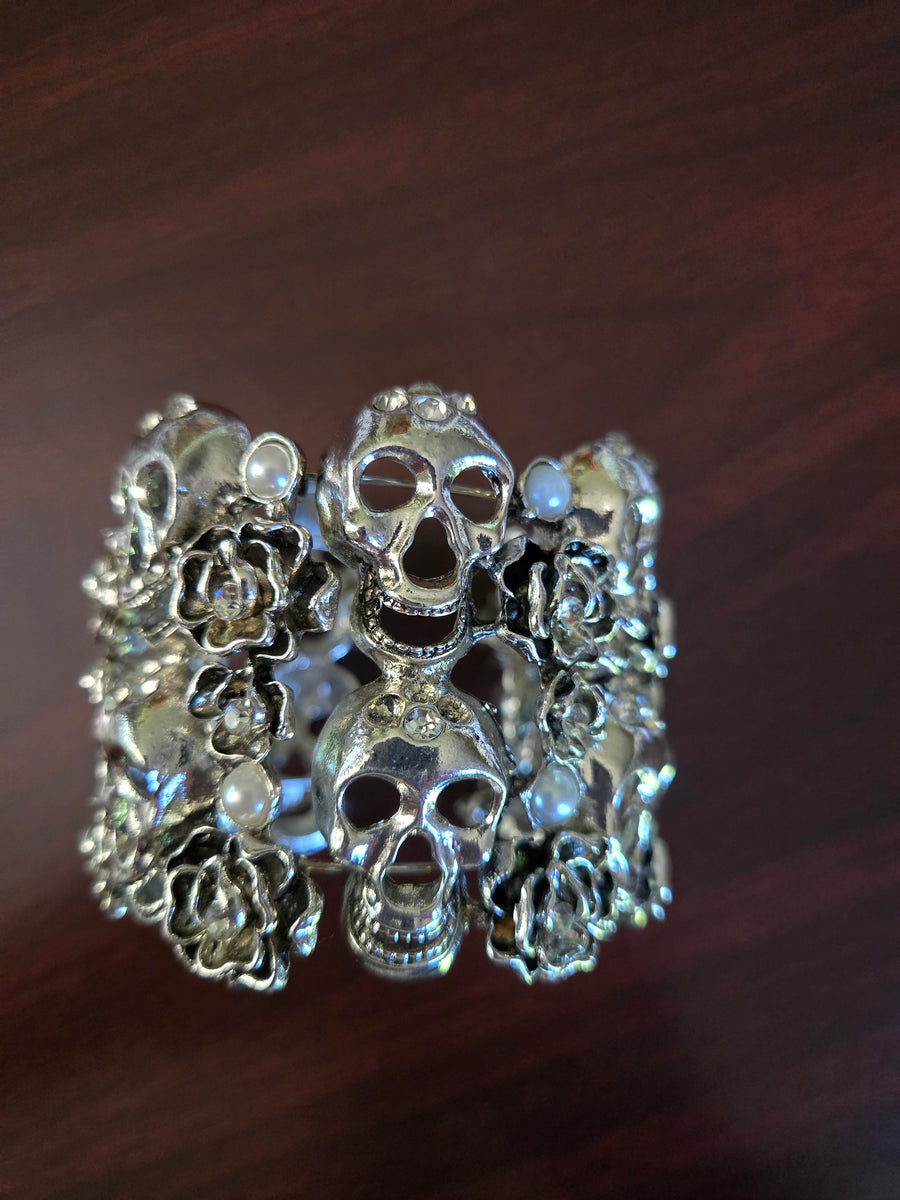

The skull is one of the few design elements that can mean mortality, rebellion, remembrance, danger, humor and "this bracelet looks cool" at the same time.
That flexibility is a major reason skull jewelry keeps returning. Fashion changes. The skull refuses to leave.
Before rock music, there was memento mori
Skull imagery in jewelry is much older than biker culture or heavy metal. In Europe, memento mori objects used symbols of death—including skulls—to remind the wearer that life was temporary.
The phrase is commonly translated as "remember that you must die." Cheerful? Not especially. Effective branding? Apparently.
Rings, pendants and other personal objects carried that reminder in a form people could literally wear.
The symbol changes when the wearer changes
Over time, skull imagery moved through military symbolism, fraternal organizations, art, tattoo culture, biker style, punk, metal and fashion.
The meaning was never perfectly fixed. That is part of the appeal.
For one person, a skull can represent mortality. For another, toughness. For another, it is simply a visual language that fits leather, metal and dark clothing better than a tasteful little leaf.
Why bikers and rock culture adopted it so easily
Skulls already carried the two things rebellious subcultures tend to appreciate: a built-in warning and a refusal to look polite.
Once the symbol became embedded in motorcycle, punk and rock aesthetics, it started appearing everywhere—rings, bracelets, belt buckles, patches, stage graphics and album art.
At that point the skull was not just about death. It was about attitude.
Why skull jewelry still works
Most symbols get overused and lose impact. The skull has somehow survived that problem because it can be rendered in so many ways.
- Minimal and polished
- Heavy and mechanical
- Gothic and ornate
- Punk and rough
- Funny or exaggerated
- Small enough to function as an accent
That makes skull jewelry easier to personalize than the symbol first suggests.
Rings versus bracelets versus pendants
A skull ring is the loudest version because the symbol is isolated and obvious. A skull bracelet can spread the design across a chain or cuff and feel more integrated into the rest of an outfit. Pendants sit somewhere in the middle and are easy to layer with other pieces.
The JFCS Jewelry department leans into the less-subtle side of that spectrum, which is probably unsurprising.
What does skull jewelry mean today?
Whatever the wearer needs it to mean.
That answer sounds evasive, but it is historically accurate. Symbols survive when they remain useful. The skull survived because it can carry seriousness or humor, history or rebellion, identity or decoration.
Sometimes it is memento mori.
Sometimes it is rock and roll.
Sometimes the explanation is simply: "I liked the bracelet."
That may be the most durable meaning of all.