
Your dog does not know what the toy means.
This is important because it means the novelty dog toy was never entirely for the dog.
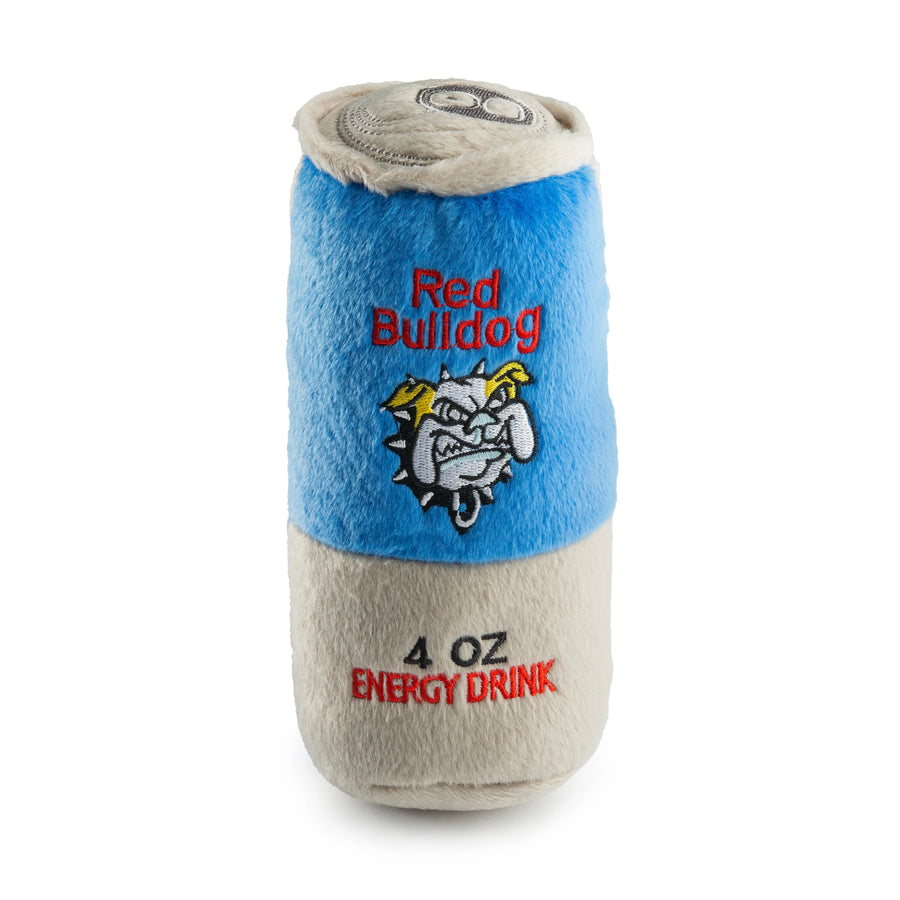
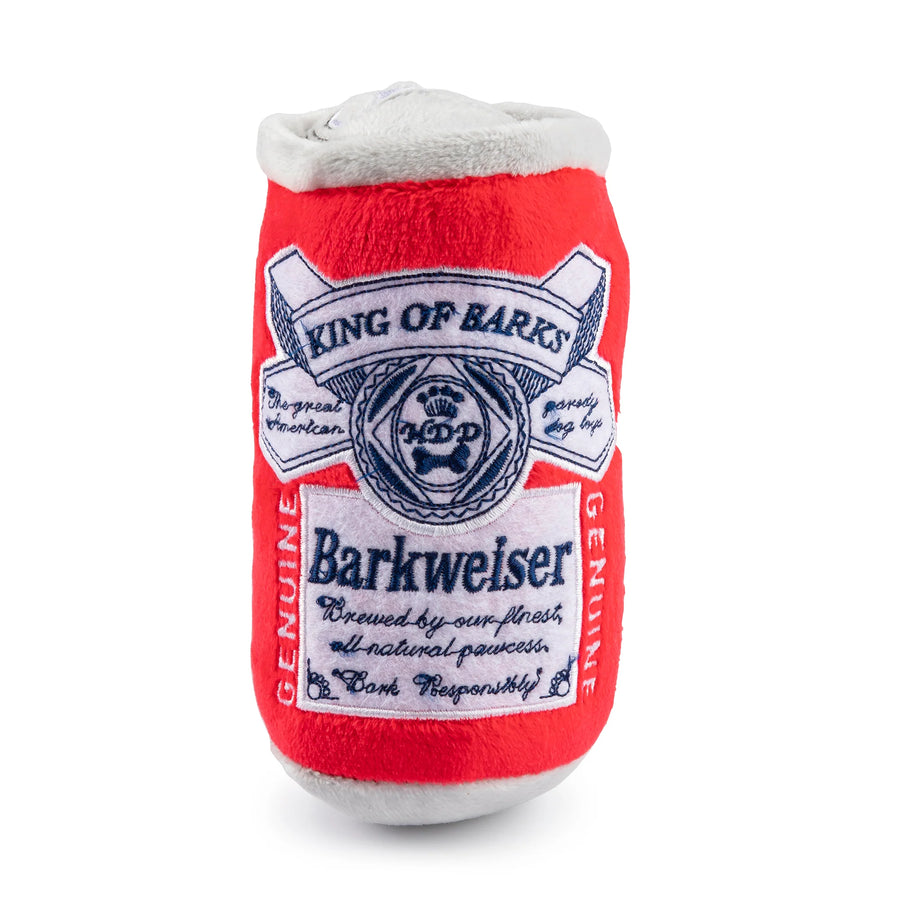
The dog sees an object that squeaks. You see a joke. The dog wants to destroy it. You want to take a picture first.
Everybody wins.
The dog toy escalation problem
Most pet owners begin responsibly. Ball. Rope. Chew toy. Maybe something shaped like a duck.
Then one day you see a toy shaped like an object a dog absolutely should not have, and suddenly the entire category changes.
Now you are evaluating whether the joke will photograph well.
This is how the dog ends up with a toy collection more interesting than your hobby shelf.
The animal is not judging you
This is one of the great advantages of buying ridiculous things for pets. A dog has no concept of tasteful branding.
The dog does not say:
"I appreciate the thought, but this object clashes with my personal aesthetic."
The dog says nothing because it is already running away with the toy.
Why funny dog toys make good gifts
They solve a difficult gift problem. You can buy one for a dog owner without needing to know shirt size, favorite color or whether they already own a similar kitchen gadget.
And unlike a normal pet toy, the joke creates a second layer for the human.
That is why novelty pet products work especially well for birthdays, housewarming gifts, stocking stuffers and the general category of "I saw this and immediately thought of your dog."
Does the dog care?
The dog cares about texture, noise, movement and whether the object can survive long enough to become a project.
The human cares that the toy is funny.
These priorities are compatible.
The evidence
The Pet Sh*t department exists in the exact space between useful pet products and things that make people laugh before they reach checkout.
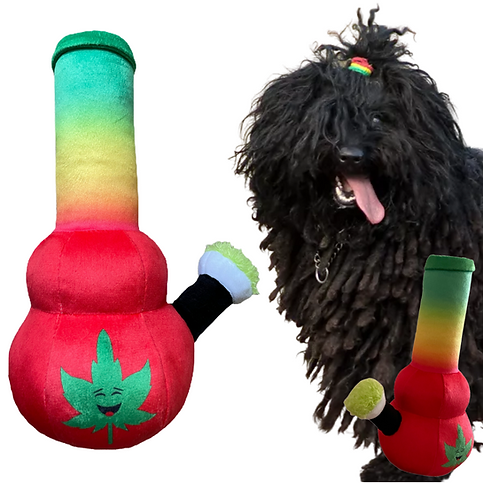
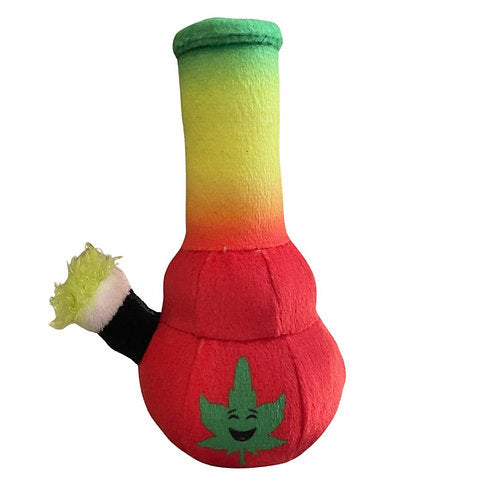
The Bo da Bong Dog Toy is a perfect example. The dog sees a chewable object. The human sees the photo that is about to be sent to six people.
The final conclusion
Your dog has better toys because you are not buying toys under the same emotional rules you use for yourself.
When you shop for yourself, you ask whether you need something.
When you shop for the dog, you ask whether it would be funny.
This is clearly the superior purchasing framework.